Plan the interfaces
PV, power conversion, grid connection, and site loads need a shared view of responsibilities.
Energy Transition
Solar projects need technology conversations that account for generation, conversion, storage, control, and the operating reality of each site.
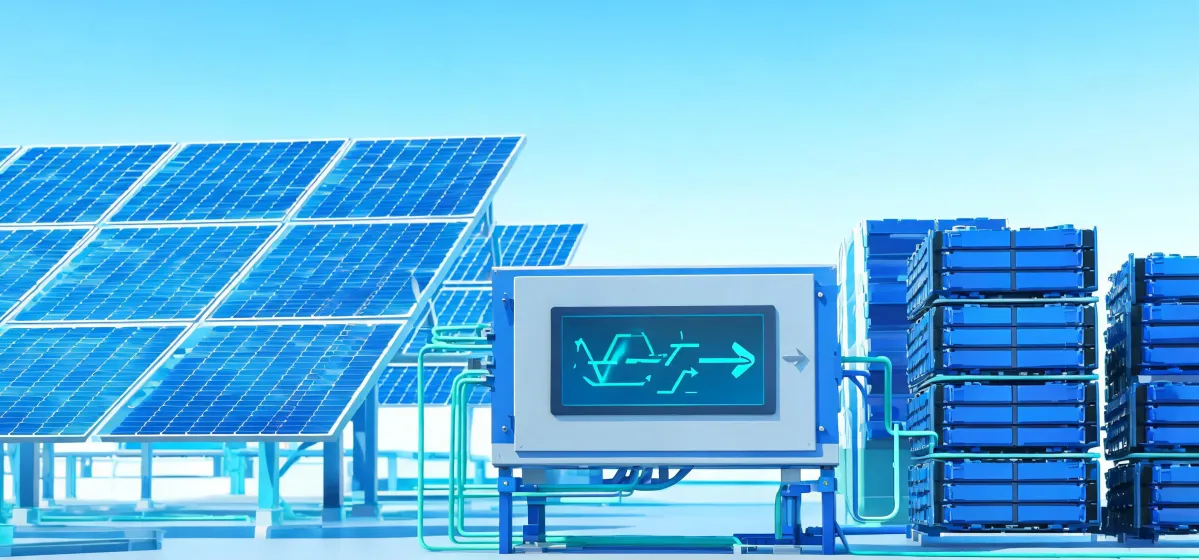
PV, power conversion, grid connection, and site loads need a shared view of responsibilities.
Specification notes, installation guidance, and acceptance discussions should follow the project.
Use technical documentation to compare interfaces and intended operating conditions.
Keep system decisions traceable across planning and deployment milestones.
Clarify where regional questions and post-installation discussions should go.
Selection note: string-inverter and microinverter architectures differ in array granularity, monitoring, service access and installed cost. Confirm MPPT voltage range, DC/AC ratio, anti-islanding behavior and the applicable IEC 62109 and grid-code requirements for the final design.